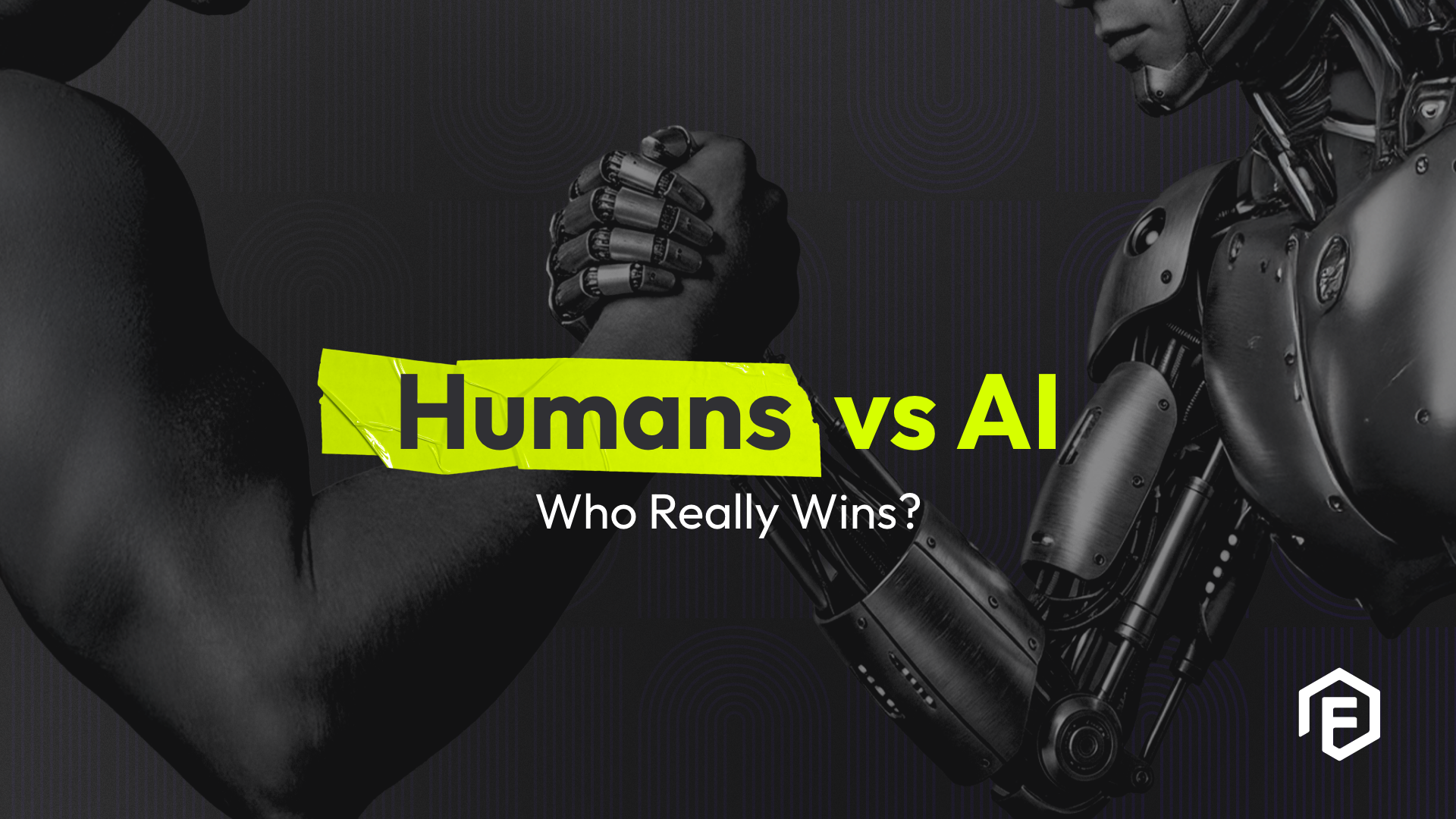
Why Marketing Leaders Rely on the Human Edge to Outperform AI
The Human Edge in an AI-First Era
Digital marketing in 2026 isn’t just about the latest AI tools, platforms, or automated campaigns. There’s no denying that generative AI, retail media networks and automation are the talk of the town – but the brands that truly innovate will not be those with the flashiest tech. They’ll be the ones who are most human and thus harnessing the human edge: talent, creativity, and culture.
The human edge is simple but powerful. Firstly, it’s human; secondly, it has the ability to interpret customer behaviour and craft stories that resonate with the human heart. These are unique campaigns orchestrated with nuance and empathy – things no algorithm can decode and replicate. AI can speed up execution, but it can’t replace intuition, emotional intelligence, or cultural awareness.
Why Talent and Culture Matter More Than Ever
Customer expectations are higher than ever because of social media, immersive experiences, and AI-driven personalisation. These platforms have made audiences savvy, selective, and demanding. Now, navigating this landscape requires a little more than a few skilful marketing tactics – it demands a culture that encourages experimentation, risk-taking, and human collaboration.
Teams that hit the mark prioritise psychological safety, cross-disciplinary collaboration, and a willingness to test and learn. It’s all about combining data-driven insights with human intuition, creating campaigns that feel real, relevant, and relatable.
Culture isn’t just about performance – it’s a recruitment and retention advantage. As the creator economy grows in leaps and bounds, top marketers seek organisations that know how to balance technology with human creativity. Companies that put the human element first will attract talent capable of leveraging AI without losing originality or storytelling finesse.
Creativity beyond Automation
We’re all familiar with the fact that generative AI can produce copy, design ideas, and data-driven recommendations in large numbers and at a rapid pace. But we still maintain that it will never replace human originality. The human edge is about synthesising insights, challenging assumptions, and shape-shifting campaigns in real time.
For instance, a team might use AI analytics to spot social media trends, but it’s human creativity that turns those insights into campaigns that resonate with culture, humour, and emotion. It’s human creativity that understands the tone, style, and nuance of a particular subculture.
User-generated content (UGC) highlights this, too. AI can suggest the best channels or edits, but humans curate and contextualise content to keep it authentic and in touch with its audience. In 2026, audiences respond to brands that feel, sound, and look human, even when AI powers execution.
Integrating Strategy, Data, and Human Insight
The winning formula is to combine AI-driven insights with human interpretation. Marketing mix models, customer data platforms, and third-party data teach us a great deal about human behaviour – but without a human eye to make sense of it and implement what is learnt, campaigns risk feeling impersonal and robotic.
Marketers who know what they’re doing use data to guide creative hypotheses, test in real time, and adapt narratives to evolving customer journeys. This integration of strategy, data, and human intuition ensures campaigns are both effective and emotionally resonant.
Skills That Define Star Marketers in 2026
As AI automates tactical tasks, these human skills will stand out:
Strategic thinking: Connecting marketing efforts to business objectives.
Storytelling & creativity: Telling stories that resonate emotionally across channels.
Cultural literacy: Understanding societal trends, sentiment and market signals.
Data interpretation: Translating AI insights into actual strategy.
Collaboration: Coordinating across functions, agencies and regions.
Adaptability: Responding quickly to evolving platforms, tech and consumer behaviour.
Human-Led Digital Experiences
We’ve all seen how much immersive experiences, live events, and interactive campaigns are on the rise. AI can personalise and automate recommendations, but humans design experiences that truly engage. From interactive activations to moderating communities, the human touch makes sure that campaigns feel real.
Retail media networks demonstrate a similar example. AI handles targeting and metrics, but ROI is seen when humans select the audience, craft the story, and align the creative with the brand identity.
How Do We Scale Human Creativity?
The solution is collaboration between humans and AI. A common worry is that humans can’t scale like machines, but the solution is simple:
AI gets delegated the repetitive tasks: A/B testing and analysis. This frees up marketers to focus on high-impact creative work. Generative AI plus human review scales campaigns without losing authenticity, a quality we cannot afford to lose in front of a 2026 audience that’s increasingly sensitive to inauthentic messaging.
Building a Human-Centric Marketing Team
To capitalise on the human edge, organisations need the right kind of talent, culture, and leadership:
Hire for adaptability & creativity: Beyond technical skills, prioritise curiosity and problem-solving.
Create cross-functional teams: Blend analysts, creatives, strategists, and performance marketers.
Encourage experimentation: Reward innovation and accept calculated risks.
Provide continuous learning: Upskill teams on AI tools, digital strategy, and emerging platforms.
Embed customer empathy: Train teams to interpret data through human behaviour and experiences.
The Human Edge as a Differentiator
In 2026, putting all your eggs in the AI basket will lead to blending in with the background. Brands that use a cocktail of human insight, creativity, and strategy will shine above the rest. The human edge doesn’t reject technology – it amplifies human potential.
By blending human talent with AI, marketers deliver campaigns that are relevant, emotionally resonant, and high-performing, building stronger customer relationships and measurable ROI.
Conclusion:
2026 will be the year when technology and human talent intersect. Like it or not, AI and automation will continue to dominate, but the brands that win will be those that prioritise the human edge. Talent, creativity, and culture will be the special ingredients for marketing success.
For CMOs, marketing directors, and agency leaders, the message is clear: invest in people, cultivate creative cultures, and integrate AI tools to support human insight. The result will be authentic, high-performing campaigns, meaningful customer engagement, and a truly competitive edge in an AI-driven world.
Marketing in 2026 isn’t about choosing between humans and technology. It’s about putting the two together to create true impact and lasting brand value.